
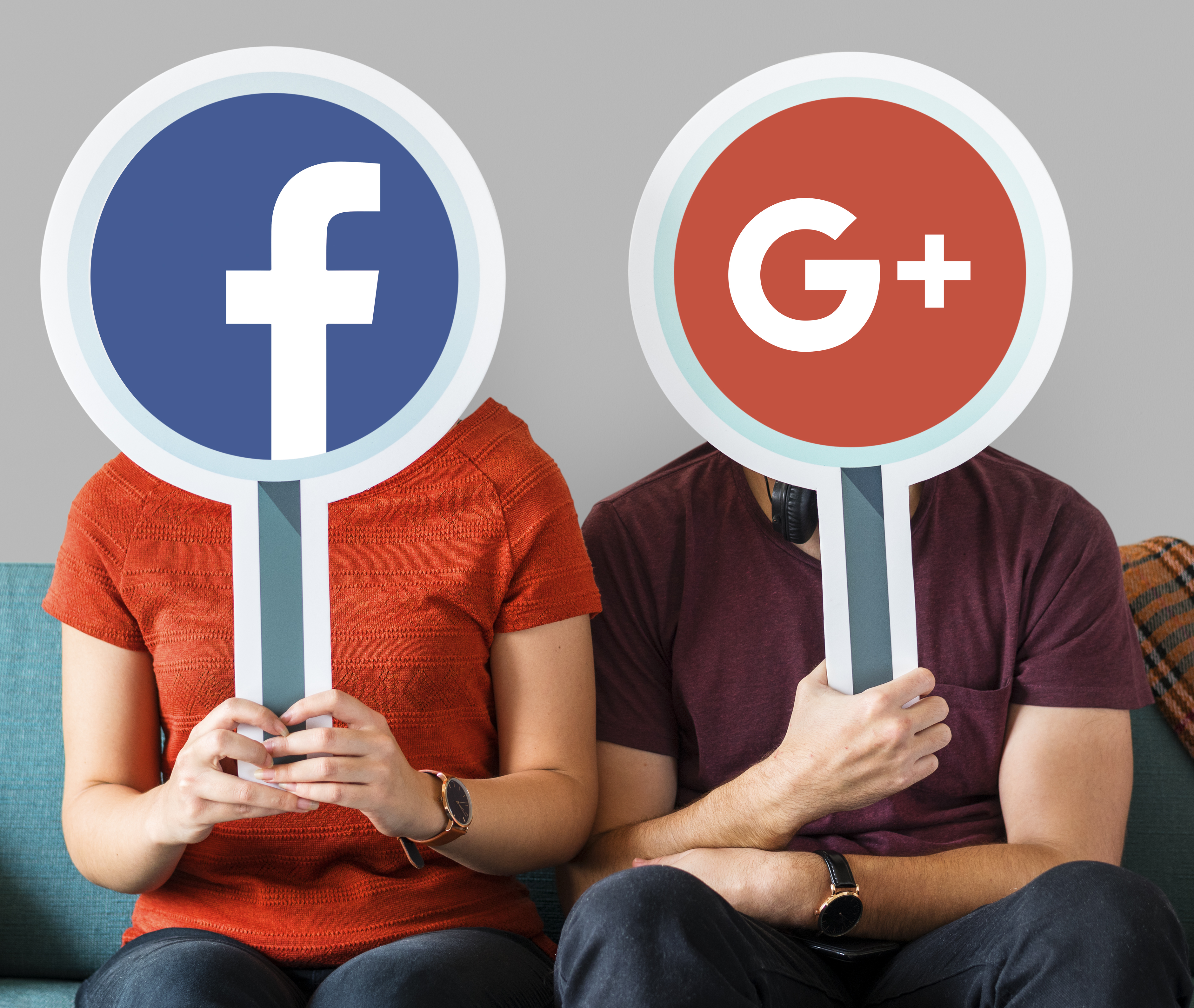
Among the many digital marketing platforms available today, Google Ads and Meta Ads (Facebook and Instagram) are the two most widely used channels for real estate lead generation. Both platforms offer powerful targeting capabilities, extensive reach, and measurable results. However, they serve different purposes within the customer journey.
The question many real estate professionals ask is simple: Which platform generates better real estate leads?
The answer depends on your objectives, budget, target audience, and sales strategy. Let's explore how each platform performs and where each one shines.
The biggest difference between Google Ads and Meta Ads lies in user intent.
Google Ads targets people who are actively searching for a property, investment opportunity, or real estate service. Users visit Google because they have a specific need and are looking for answers.
Meta Ads, on the other hand, focus on discovery. Users are browsing Facebook or Instagram for entertainment, social interaction, or content consumption. They are not necessarily searching for a property when they see your advertisement.
This distinction has a major impact on lead quality and conversion potential.
Google Ads excels because it captures buyers at the exact moment they express interest.
When someone searches for terms such as:
"Luxury apartments in Dubai"
"Villas for sale in Abu Dhabi"
"Property investment opportunities UAE"
"Off-plan projects in Dubai"
they are already demonstrating intent.
These individuals are actively researching and often much closer to making a purchasing decision. As a result, Google Ads tends to generate leads that are:
For developers and brokers focused on immediate lead generation, Google Ads is often the strongest performer.
While Google Ads captures intent, Meta Ads excel at creating demand.
Many potential buyers are not actively searching for properties today, but they may become interested when they discover an attractive project through Facebook or Instagram.
Meta's advanced targeting allows advertisers to reach users based on:
This makes Meta Ads particularly effective for introducing new projects to large audiences and building awareness before competitors enter the conversation.
For off-plan developments and luxury projects, Meta Ads can generate significant interest at scale.
One of the most common misconceptions is that lower cost automatically means better performance.
Meta Ads often generate leads at a lower cost per lead compared to Google Ads. However, lower-cost leads are not always higher-quality leads.
Google Ads may have a higher cost per click and cost per lead, but the leads frequently demonstrate stronger buying intent.
A real estate company might receive:
The true measurement should always be cost per sale rather than cost per lead.
Real estate purchases involve significant financial decisions and lengthy consideration periods.
Most buyers do not convert after a single interaction.
A typical buyer may:
This is why relying exclusively on one platform can limit results.
The most successful real estate campaigns often combine both Google Ads and Meta Ads to engage buyers throughout the entire journey.
Google Ads is particularly effective when:
For many developers and brokers, Google Ads remains the strongest channel for generating serious property inquiries.
Meta Ads perform exceptionally well when:
Meta excels at reaching people before they begin actively searching.
The debate should not always be Google Ads versus Meta Ads.
In many cases, the highest-performing real estate campaigns use both platforms strategically.
Meta Ads introduce projects to potential buyers and create awareness. Google Ads then capture those same prospects when they begin researching and comparing options.
This combination creates multiple touchpoints throughout the customer journey and often delivers significantly better results than relying on a single platform.
Businesses that integrate both channels typically experience:
If the goal is generating the highest-quality real estate leads, Google Ads generally has the advantage because it captures users with clear purchase intent.
If the goal is reaching large audiences, creating awareness, and generating interest at scale, Meta Ads often performs better.
The ideal strategy depends on your business objectives, project type, target market, and sales process.
For most real estate businesses, the most effective approach is not choosing one over the other—it is creating a marketing ecosystem where both platforms work together.
Successfully managing Google Ads and Meta Ads requires much more than launching campaigns. Audience targeting, landing page optimization, conversion tracking, creative development, and continuous campaign optimization all play critical roles in performance.
This is where DigitalStep360 can become a valuable growth partner.
DigitalStep360 helps real estate developers, brokers, and agencies generate qualified leads through strategic Google Ads campaigns, high-performing Meta Ads, conversion-focused landing pages, and data-driven optimization. By combining intent-based search marketing with demand-generation strategies, the agency helps businesses attract serious buyers, improve lead quality, and maximize return on investment.
Whether your objective is generating immediate inquiries or building a long-term lead generation engine, DigitalStep360 can serve as a strong pillar for sustainable real estate growth.
Google Ads and Meta Ads are both powerful tools for real estate lead generation, but they serve different purposes within the buyer journey. Google Ads excels at capturing active buyers, while Meta Ads shines in creating awareness and generating interest.
The most successful real estate marketers understand that sustainable growth comes from leveraging both platforms strategically. By combining the strengths of Google and Meta, businesses can create a consistent flow of qualified leads and stay ahead in an increasingly competitive real estate market.
Let’s talk!


We help businesses improve visibility and rank higher on search engines through smart keyword strategies, quality content, and proven SEO practices. There is a strict no refund policy after the campaign setup has been started. Refunds are considered only before the campaign has not started.


ⓒ 2025 All Rights Reserved by DIGITALSTEP360.


 WhatsApp

